
Portable Soccer Goals for Small-Sided Training: What Club Suppliers Should Specify
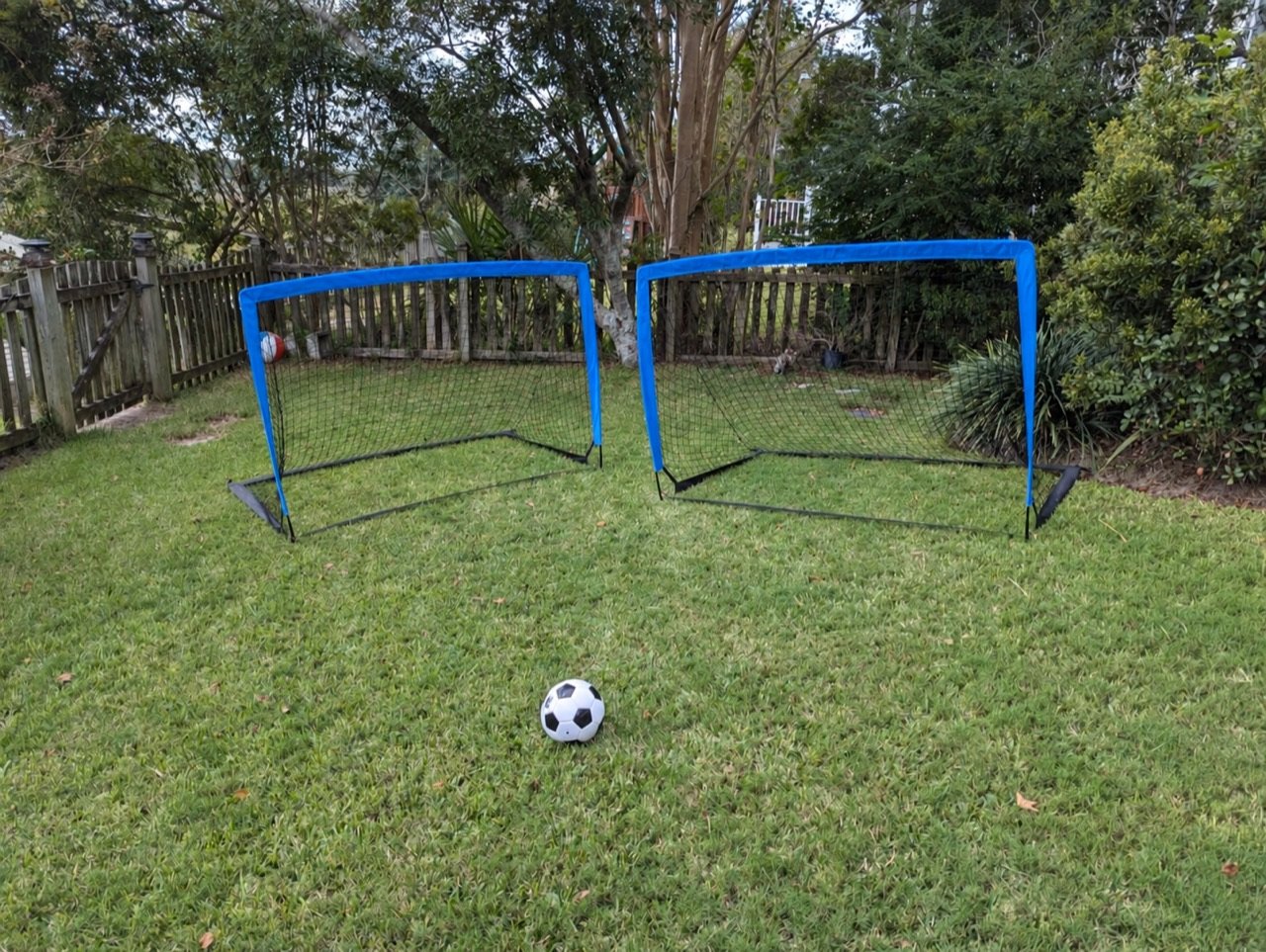
When a distributor supplies portable soccer goals to coaches, schools or clubs, the first question is what the session needs players to do. A directional finishing drill, a game with several targets and a goalkeeper session can call for different goal openings and layouts. Brief the manufacturer on the training use before settling the size, quantity and accessories of a complete goal.
Start with the session, then choose the opening
For directional finishing, a coach may want a clear, repeatable target at one end of a short playing area. Ask for the intended shooting distance, player age group and available space. The goal opening should suit the drill and the site; a larger opening changes what counts as a successful finish. For goalkeeper work, confirm whether the goalkeeper will be positioned in front of the goal, how much room they need to move, and whether the opening is appropriate for that session. A small target used for passing accuracy is a different purchase brief from a goal used for goalkeeper practice.
For multi-target games, the number and placement of goals matter as much as the opening of each one. FIFA Training Centre's 3v3 Funino example uses a 25 × 25 m area, two mini-goals for each team and a shooting zone. That layout gives players a reason to switch the point of attack when one target is blocked. It is one coaching example, not a regulation size or a statement that any particular KAYRIDA model fits the exercise. FIFA also notes that the format does not reproduce all the positional and tactical features of larger games.
In a 2016 study of goal formats, eight boys aged about 12 played four different 4v4 layouts using two or four goals in different positions. Researchers recorded 19 turns with two conventional goals and 45 when four goals were placed in the corners; other technical actions also differed across layouts. This small study does not test a KAYRIDA product or establish the best layout for every club. It does show why a buyer should specify the number and placement of targets, rather than request a generic “small-sided goal.”
Turn the coaching plan into a product brief
KAYRIDA's KS-SG-6 portable soccer goal training set is offered in 4 × 3 ft and 6 × 4 ft sizes, stated as width × height. Custom size, color, logo, accessories and target cloth can be discussed. These choices are useful only when tied to the coach's use and the buyer's delivery needs.
| Tell the manufacturer | What it helps settle |
|---|---|
| Drill or game format, age group and shooting distance | Suitable goal opening and target arrangement. |
| Number and placement of targets in a session | Quantity and whether all goals need the same size. |
| Grass, artificial turf or hard surface | What anchoring method needs to be checked for that site. |
| Who carries, sets up and stores the goals | Packed size, carrying arrangement and setup information. |
| Branding or target-cloth requirements | Whether those items are included in the quoted configuration. |
For a multi-target session, send a simple sketch showing where the goals sit. A coach may want several equal targets for a game, while a training program may need different openings across drills. A brief sketch prevents “four goals” from being interpreted as a complete design specification. If you are still comparing factories more broadly, see our portable soccer goal manufacturer guide.
Confirm the surface and the actual setup
Portable does not mean every anchoring method works on every surface. Tell the supplier whether the goals will be used on natural grass, artificial turf, a hard court or across multiple sites, and ask what anchoring or restraint is proposed for each. Do not assume a ground stake suitable for grass can be used on a hard floor. The coach or facility operator should check the proposed arrangement against the actual site and its rules before use.
The English Football Association’s goalpost guidance says portable goals must be secured according to the manufacturer’s instructions, with suitable anchoring or a weighted back bar. This is UK guidance, not a claim that any particular KAYRIDA configuration has been certified; buyers should confirm the method appropriate to the product, surface and local requirements.
Ask for the complete goal's components, packed dimensions, carry arrangement and setup steps for the configuration being quoted. Find out whether the same people will move the goals between pitches each day or store them at one location. Those details determine whether the kit is practical for the intended program and help the distributor describe it accurately to clubs. If an accessory or target cloth appears in a product image, confirm whether it is included in the quote.

You can start with the soccer range and send KAYRIDA the product you are considering, an approximate quantity and the training use. A pitch sketch or surface description can follow as the brief develops. Contact KAYRIDA to discuss the KS-SG-6 configuration with its factory in Huizhou, Guangdong, China.